On half a hectare of my family’s ground in the hills of Shropshire, we are growing a native, many-layered habitat - a forest garden and wildflower meadow, made to feed wildlife and to teach, long after we are gone.
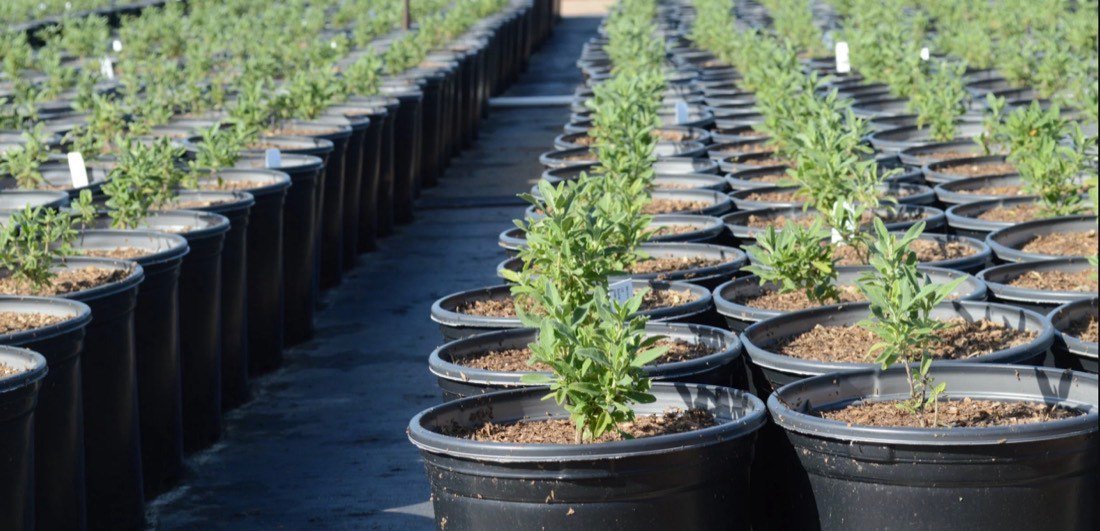
I grew up on this smallholding - a forest garden in all but name - before spending half a decade in California, where, with others, I helped grow and give away more than eighteen thousand native plants for conservation. Now I have carried that work home, to give back to the ground that raised me - and to pass it on, through workshops and with local schools.
We are at the very beginning, but we have set out to build something meant to outlast us: a native, many-layered habitat, alive with wildlife, and a living classroom for anyone who wishes to learn.
Land is best held gently, and handed on richer than we found it.
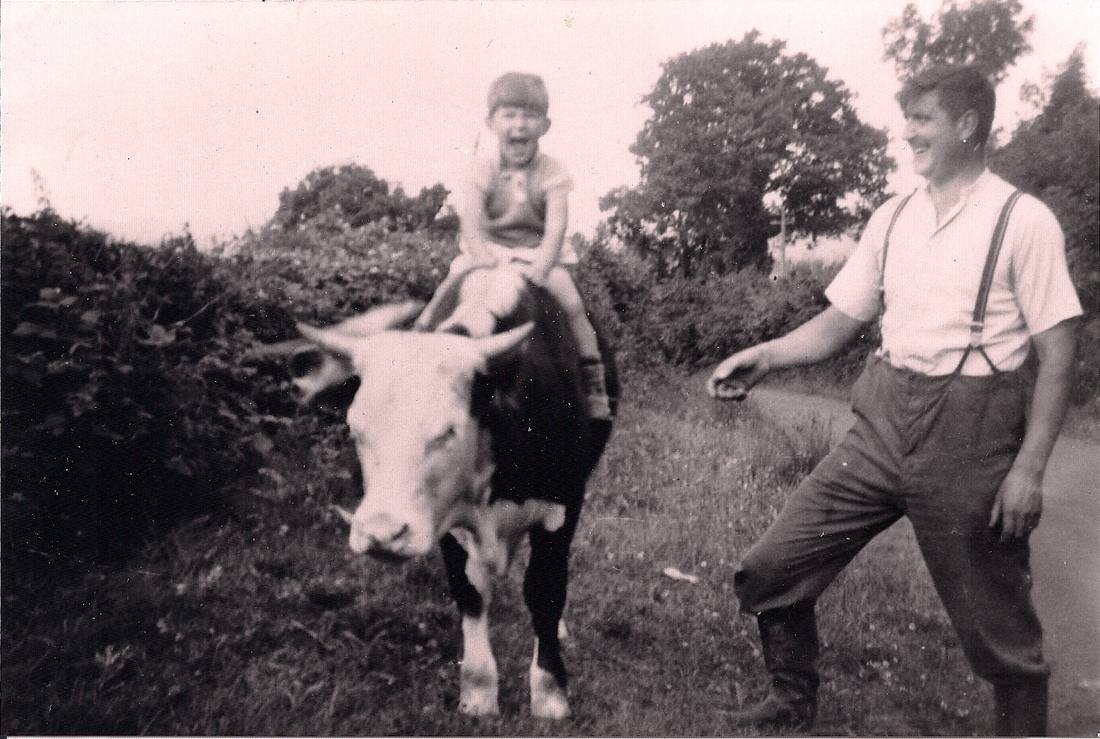
My family has worked this corner of the Welsh Marches for generations. Growing up here on this smallholding - trees, fruit, vegetables, hens and hedgerow all managed together as one. It was a forest garden in all but name, long before I had the words for it.
After many years away, I have come home to that same ground. It is not large - half a hectare of Shropshire hillside - but it is enough to make something lasting, and the right place to begin. The work now is simply to give back to the land that raised me.
A forest garden copies the structure of a young wood, stacking useful and wildlife-friendly plants into seven layers on the same patch of ground. Because they occupy different heights and root depths, they cooperate rather than compete. Select a layer to read it.
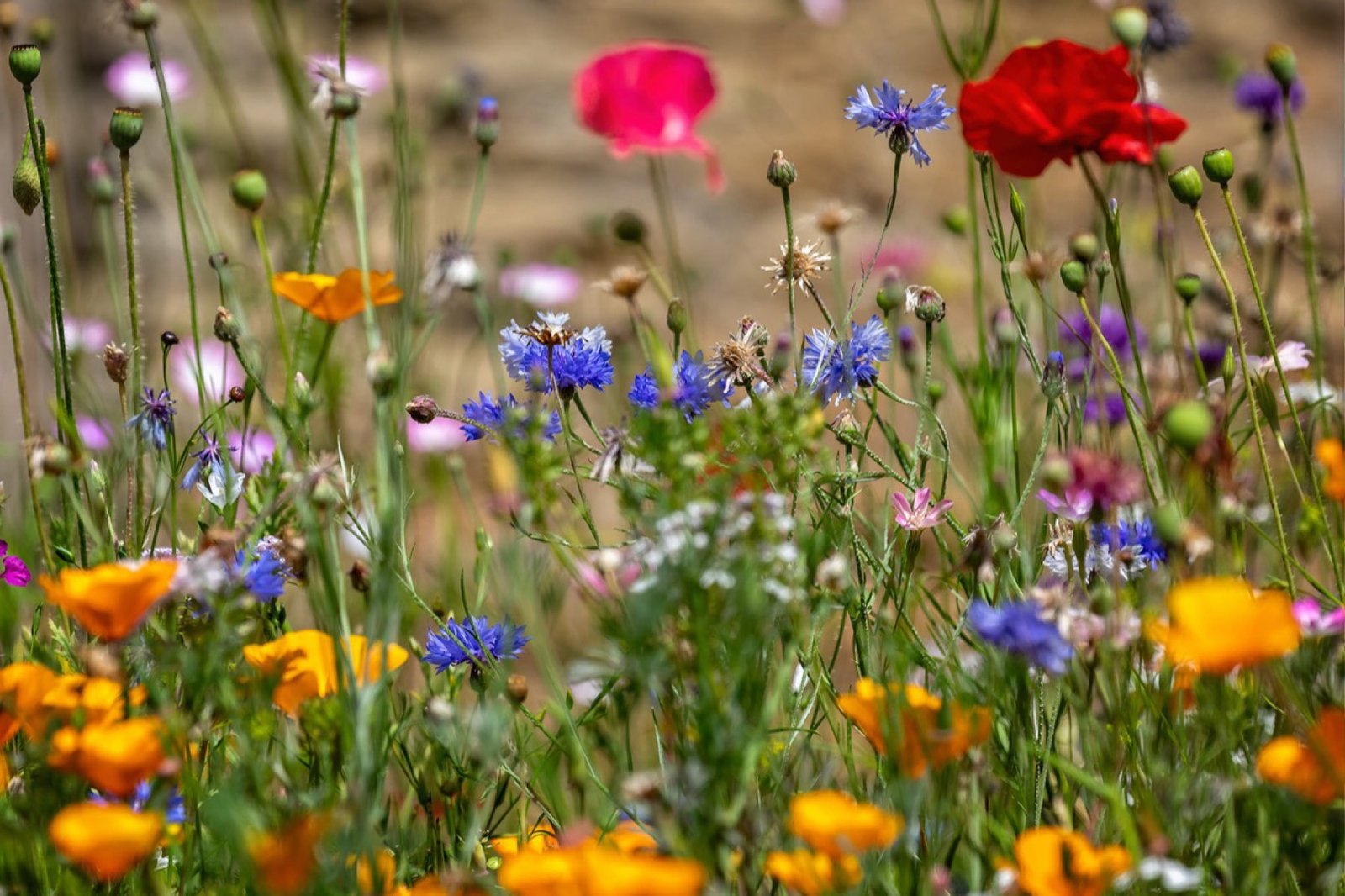
Britain has lost the greater part of its wildflower meadows within a single lifetime. Restoring one begins with knowing the plants - here are some of the native wild flowers and hedgerow plants of the Marches. Colour indicates the bloom or berry.
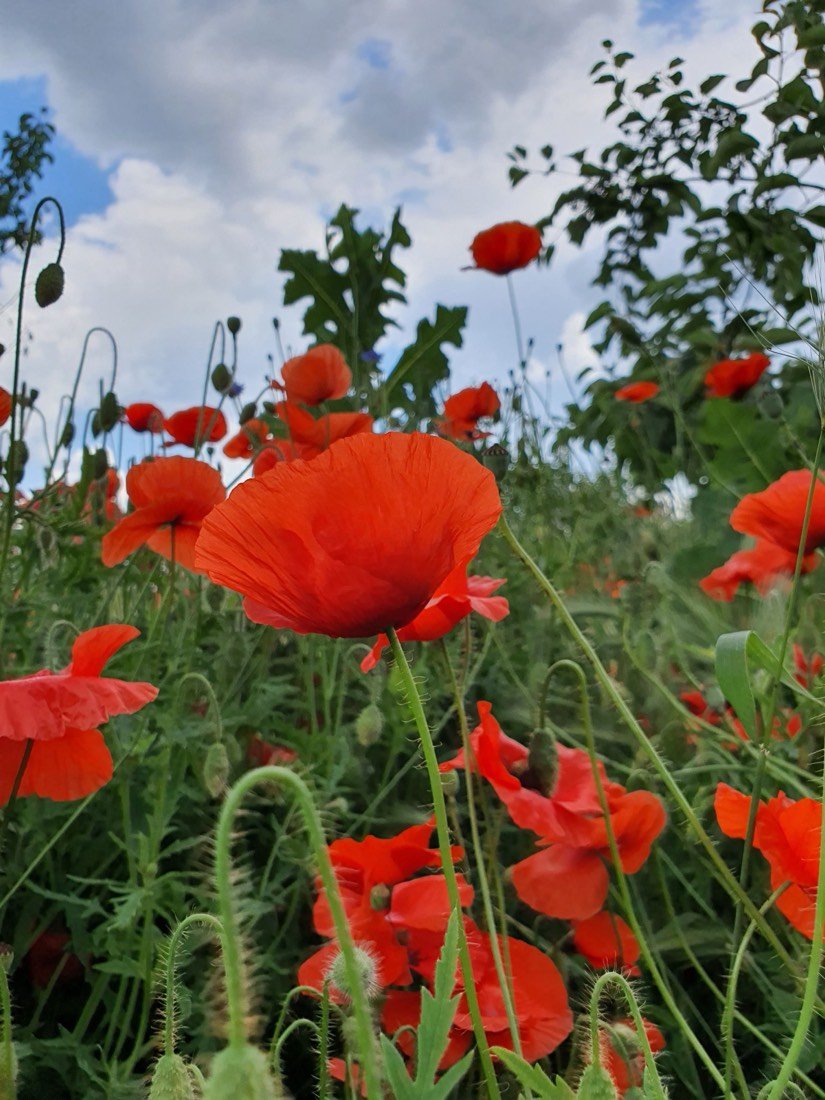
The scarlet cups of disturbed and cultivated ground; its seed can wait decades in the soil for the plough or the spade.
Lore - petals were long made into a mild syrup to soothe coughs and ease sleep; this is not the opium poppy.

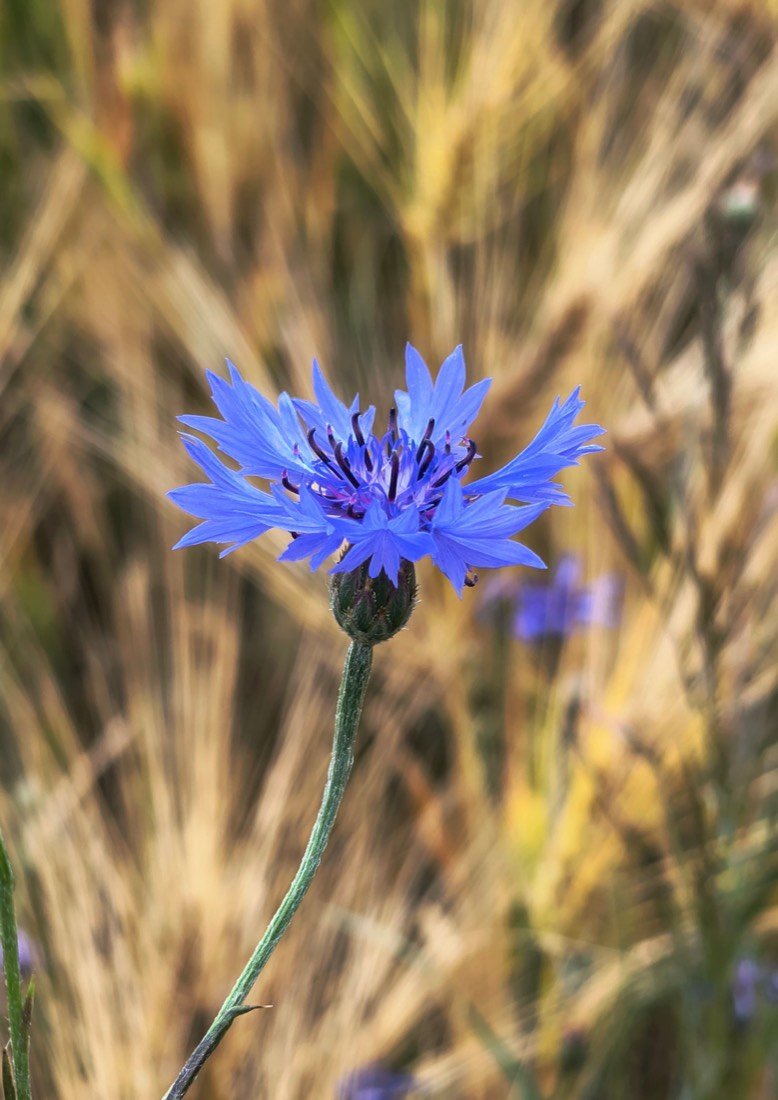
Once common in cornfields, now cherished and largely reintroduced - a brilliant blue and a magnet for bees and butterflies.
Lore - an old remedy for tired, sore eyes, used as a gentle eyewash; mildly anti-inflammatory.

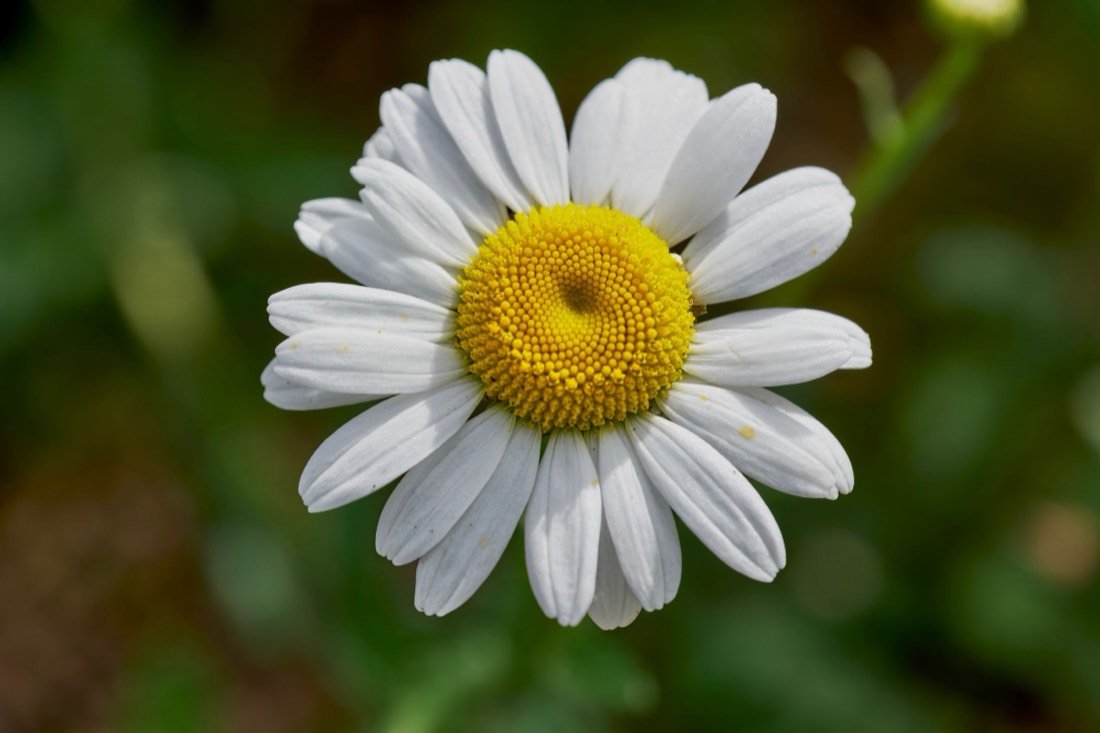
The great “moon daisy” of road verges and meadows - a broad landing-place for hoverflies and beetles.
Lore - used much like chamomile: a soothing tea for coughs, and a wash for cuts and bruises.

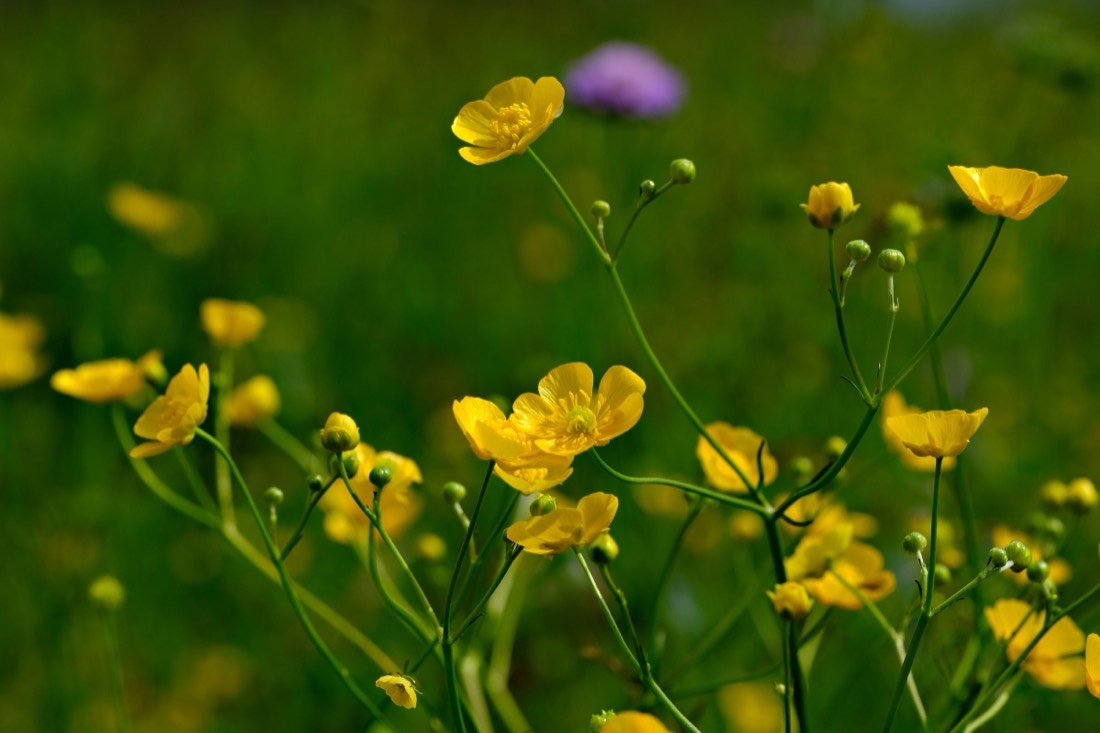
Glossy gold on tall stems, lighting up damp old pastures through the summer.
Lore - best admired, not used: the fresh plant is acrid and blistering to the skin, and poisonous to eat.

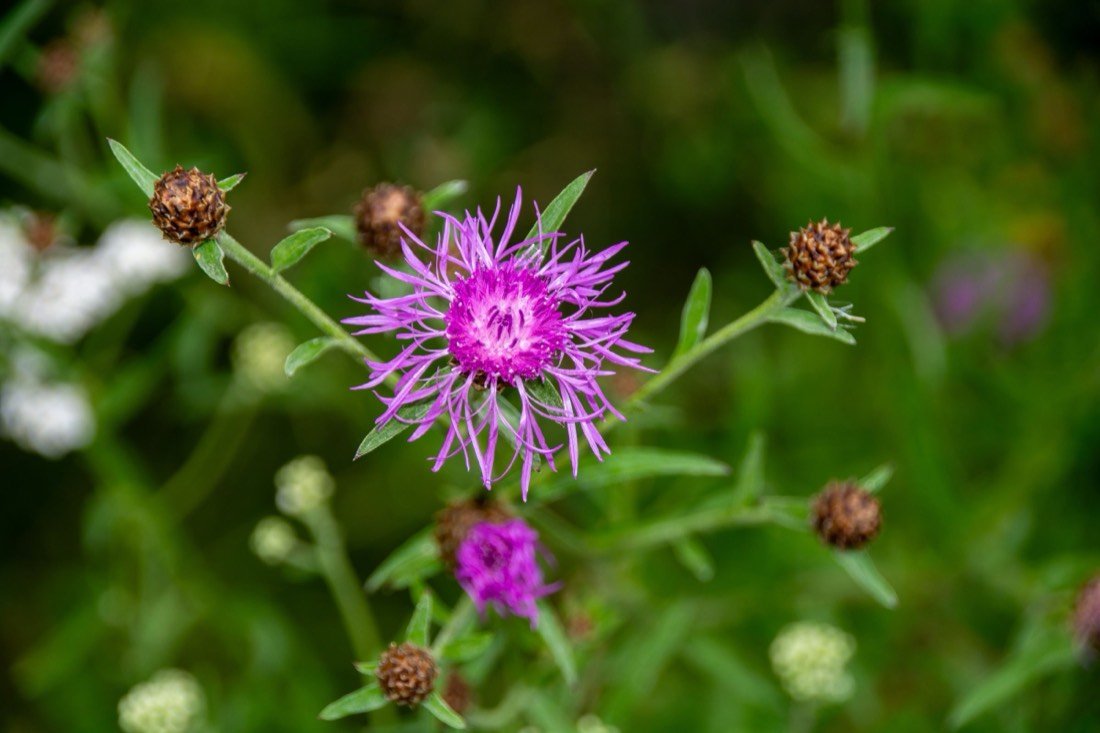
Thistle-like purple heads of late summer - one of the very best native nectar sources for butterflies.
Lore - a traditional astringent, once used for small wounds and sore throats.

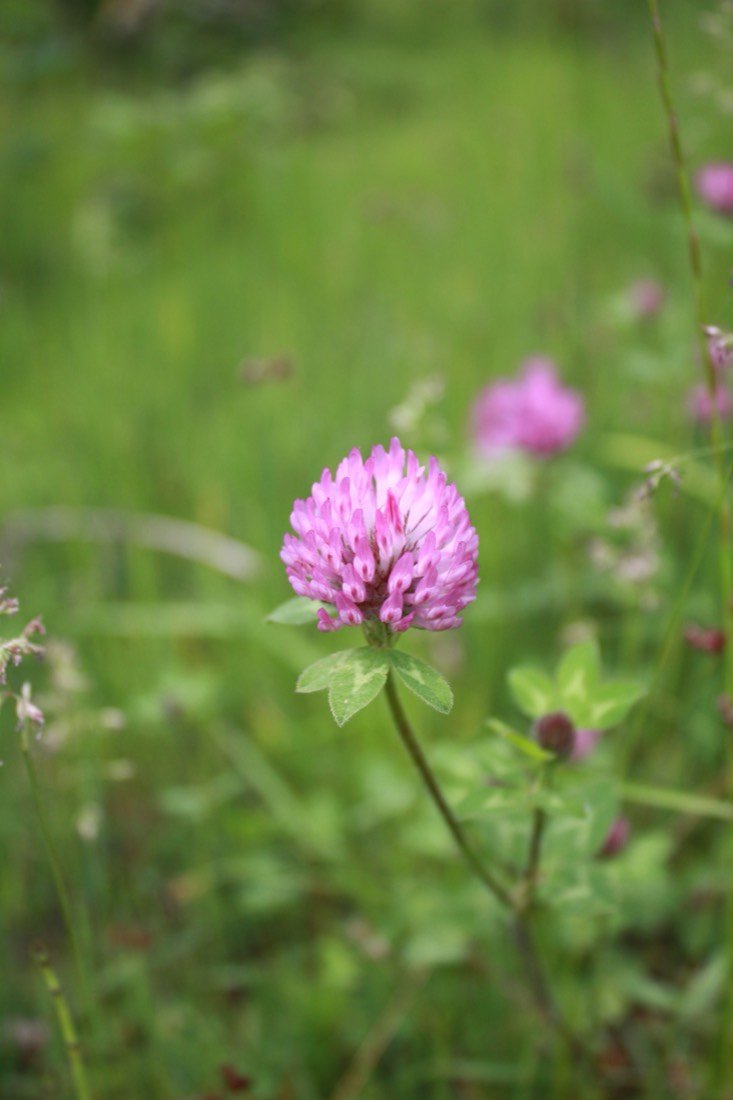
A quiet workhorse: it feeds long-tongued bumblebees and fixes nitrogen from the air to enrich the soil.
Lore - a gentle old tonic; its flowers, rich in plant oestrogens, are still studied for menopausal symptoms.

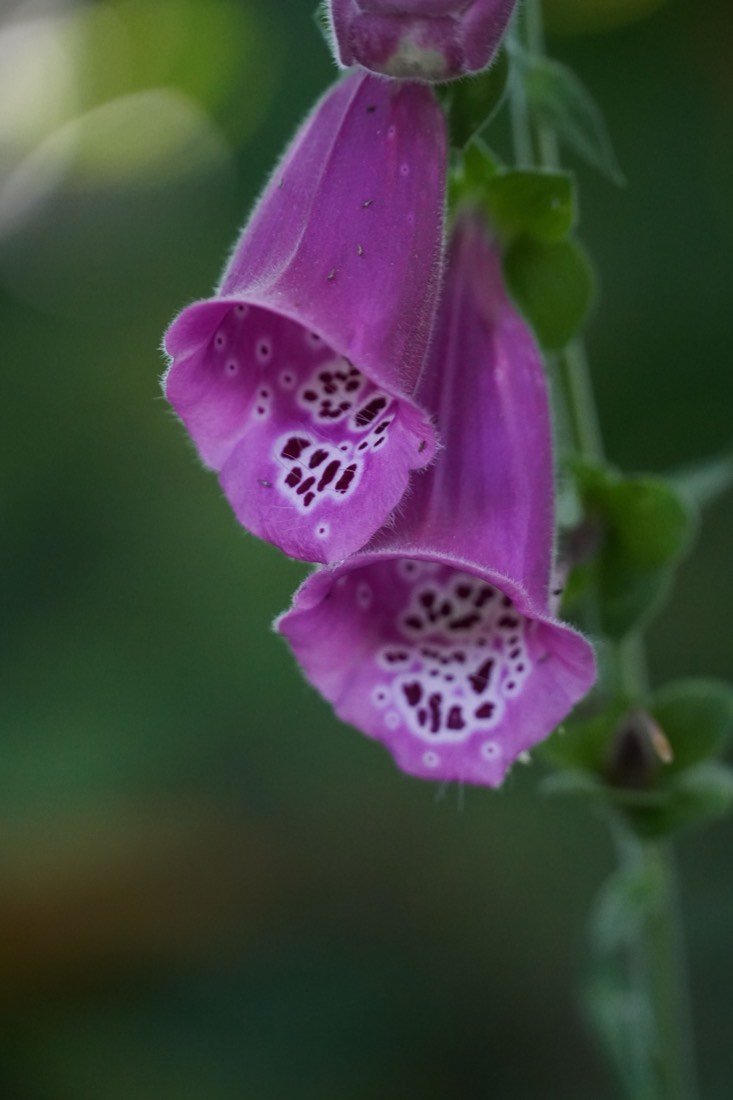
Tall spires of the woodland edge, each bell tailored to the bumblebee. Beautiful - but every part is poisonous.
Lore - the source of digitalis, a life-saving heart medicine, yet deadly poisonous. Never taste it.

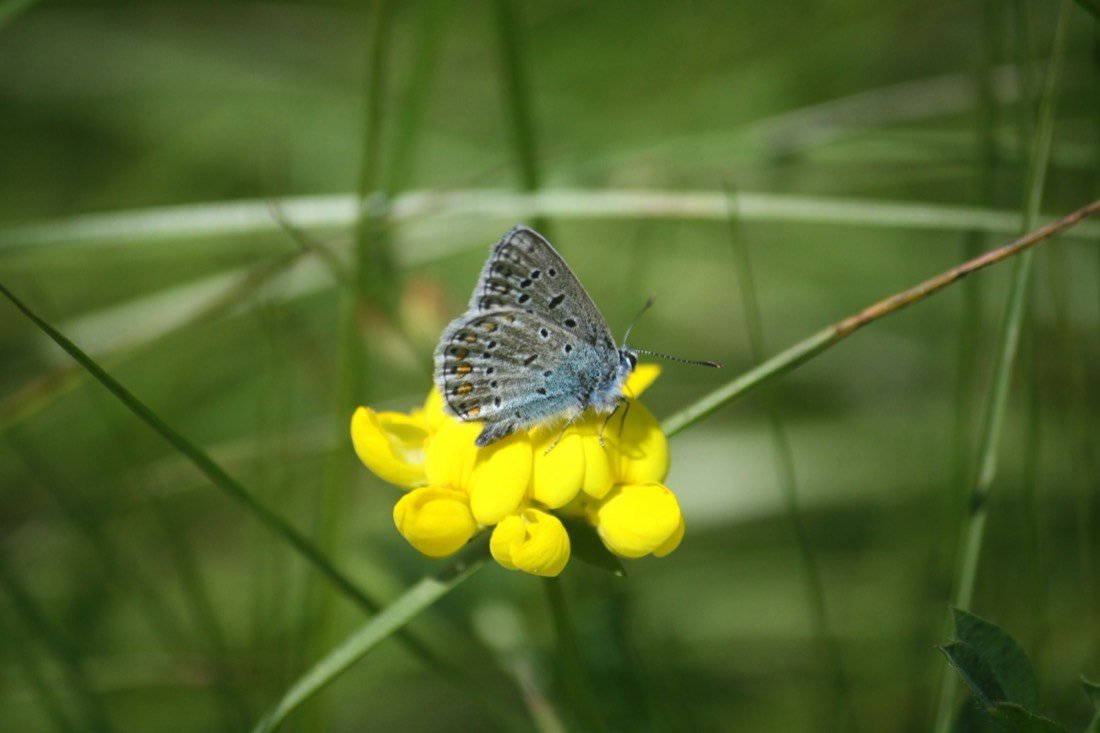
Low cushions of yellow-and-orange - “eggs and bacon” - and the vital food-plant of the Common Blue butterfly.
Lore - little used in medicine; in folk practice a mild calming herb - its true gift is to wildlife.

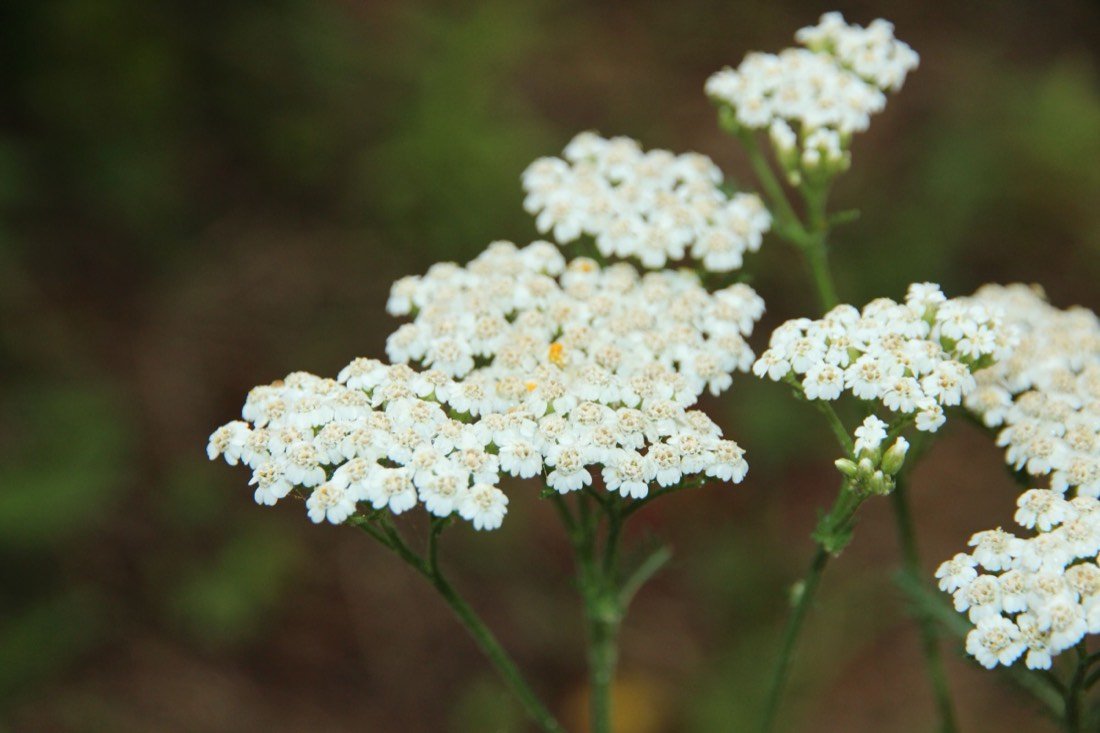
Feathery leaves and flat, creamy flower-heads on tough stems - a meadow all-rounder that endures drought.
Lore - the classic “woundwort”: long used to staunch bleeding, and taken as a tea to break a fever.

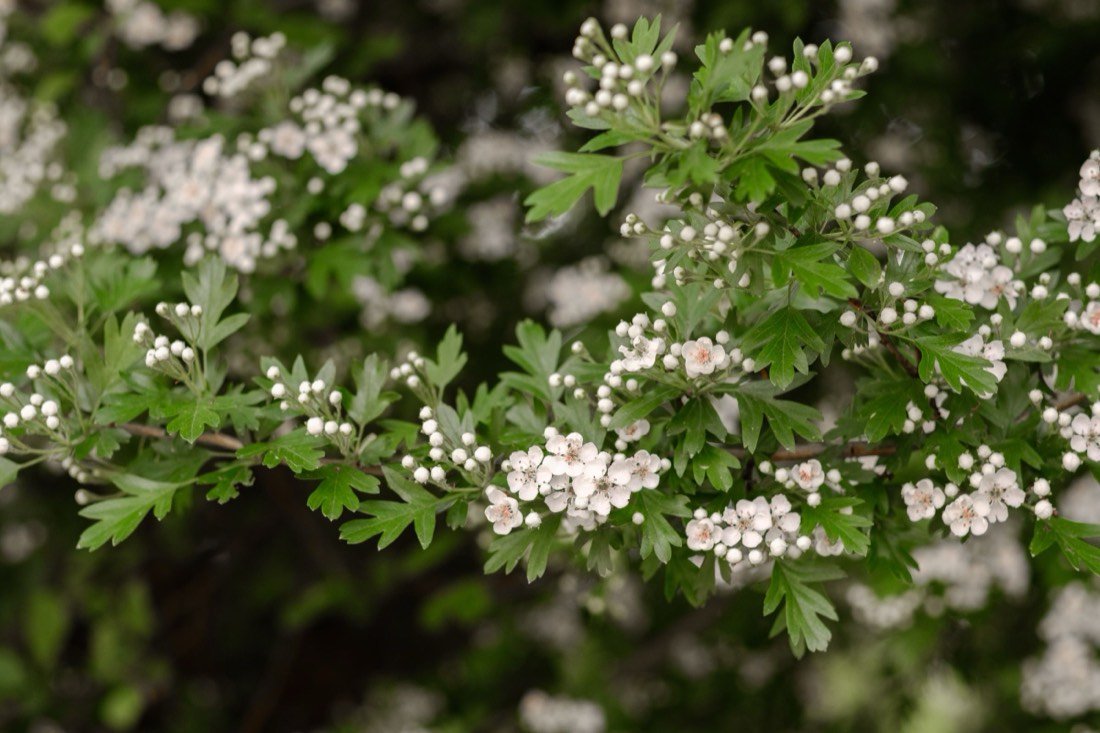
The backbone of the English hedge - dense, thorny and quick to establish. A froth of May blossom for the bees, then red haws that feed thrushes and fieldfares through the winter.

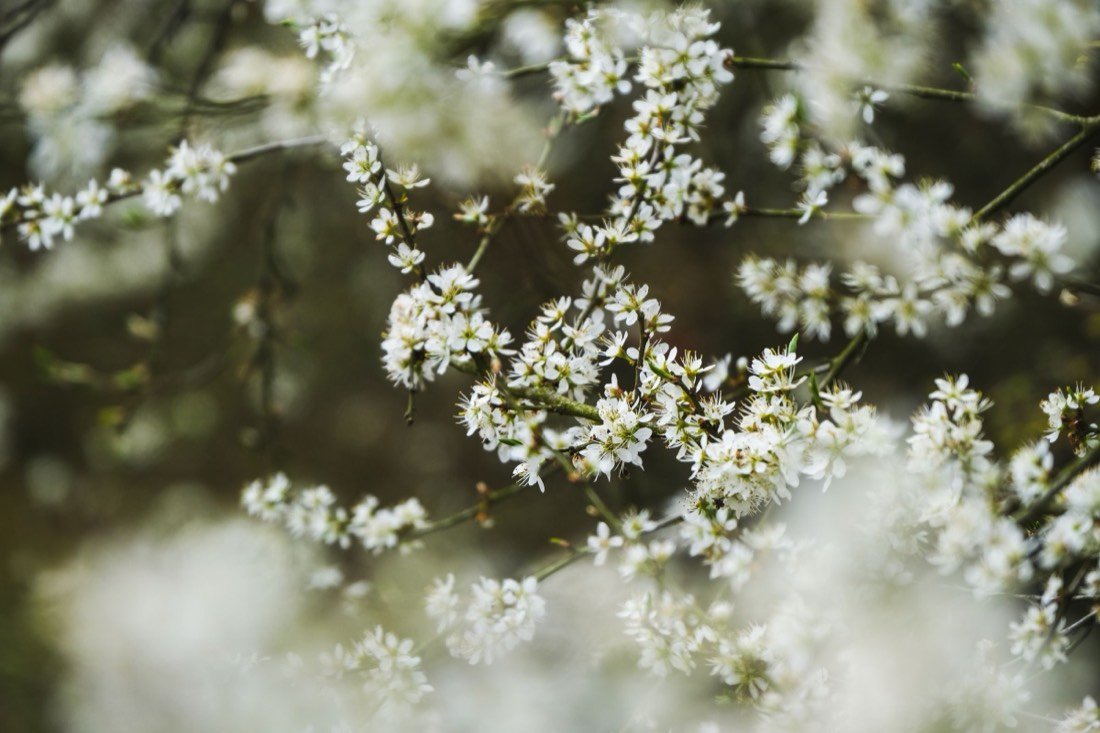
Fierce black spines and a cloud of white blossom before the leaves come. Its blue-black sloes ripen after the first frosts - food for wildlife, and the makings of sloe gin.

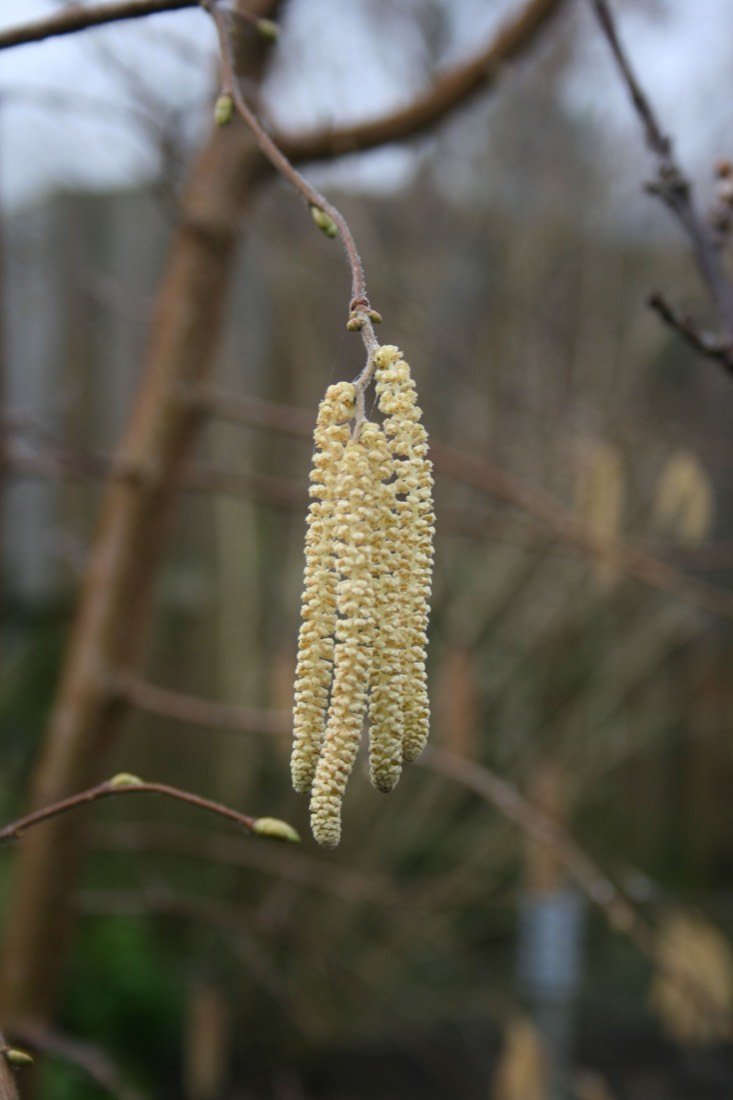
A gentle, coppiceable native hung with yellow lamb’s-tail catkins in late winter. Nuts for dormice and jays; long, whippy rods for weaving and beanpoles.

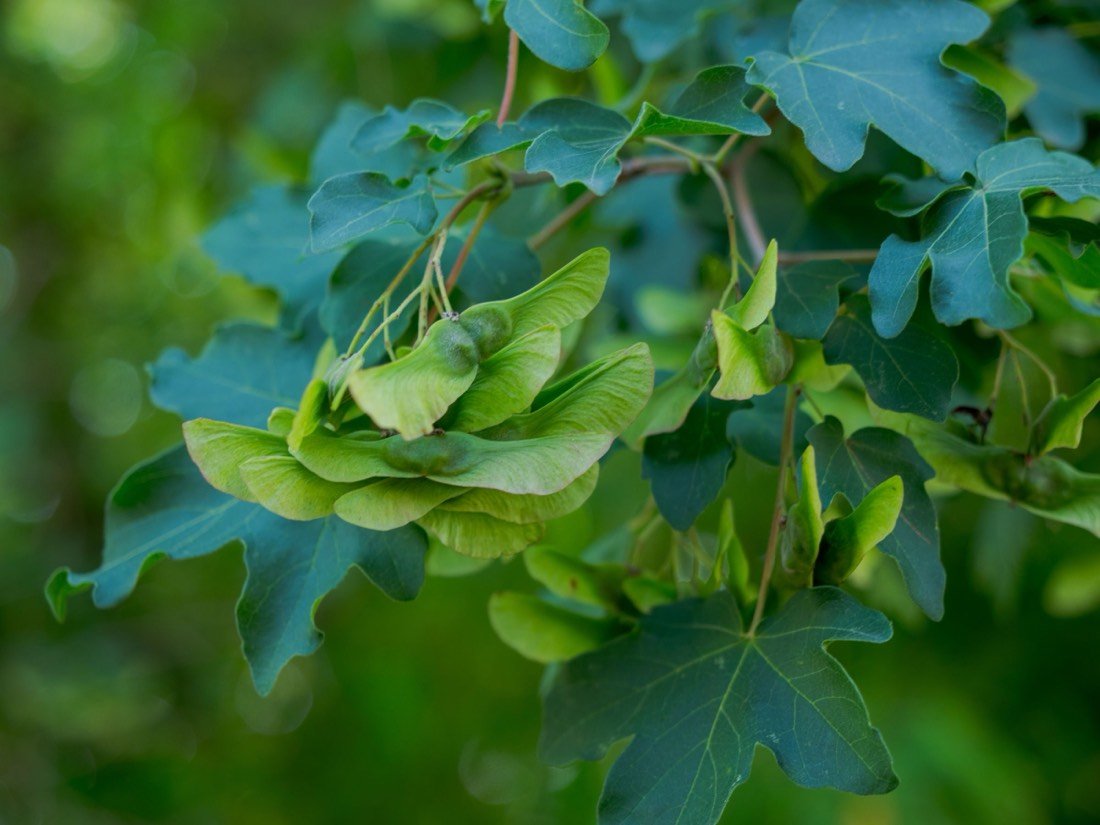
Our only native maple - compact, tolerant and a glorious butter-yellow in autumn. Early flowers draw insects; winged keys spin down to feed small birds and mammals.

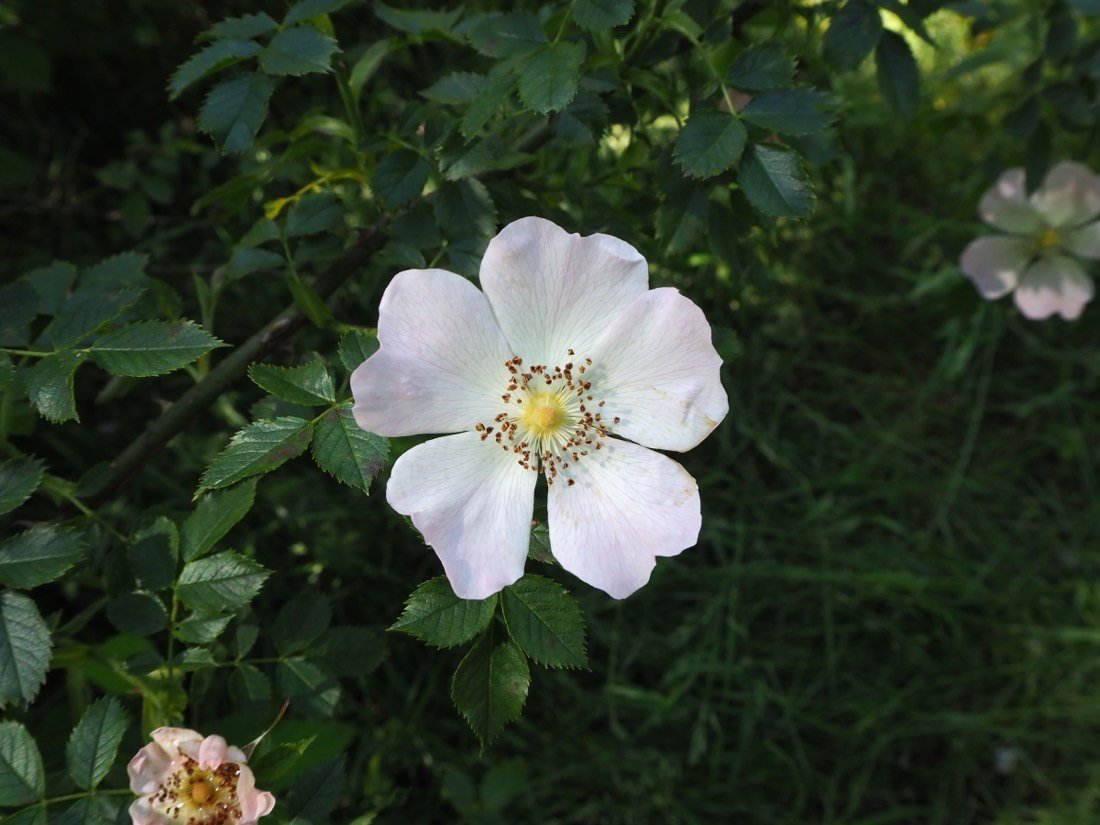
The wild rose that scrambles through the hedge, pale pink and lightly scented in June. Its scarlet hips, rich in vitamin C, hang on well into winter for the birds.

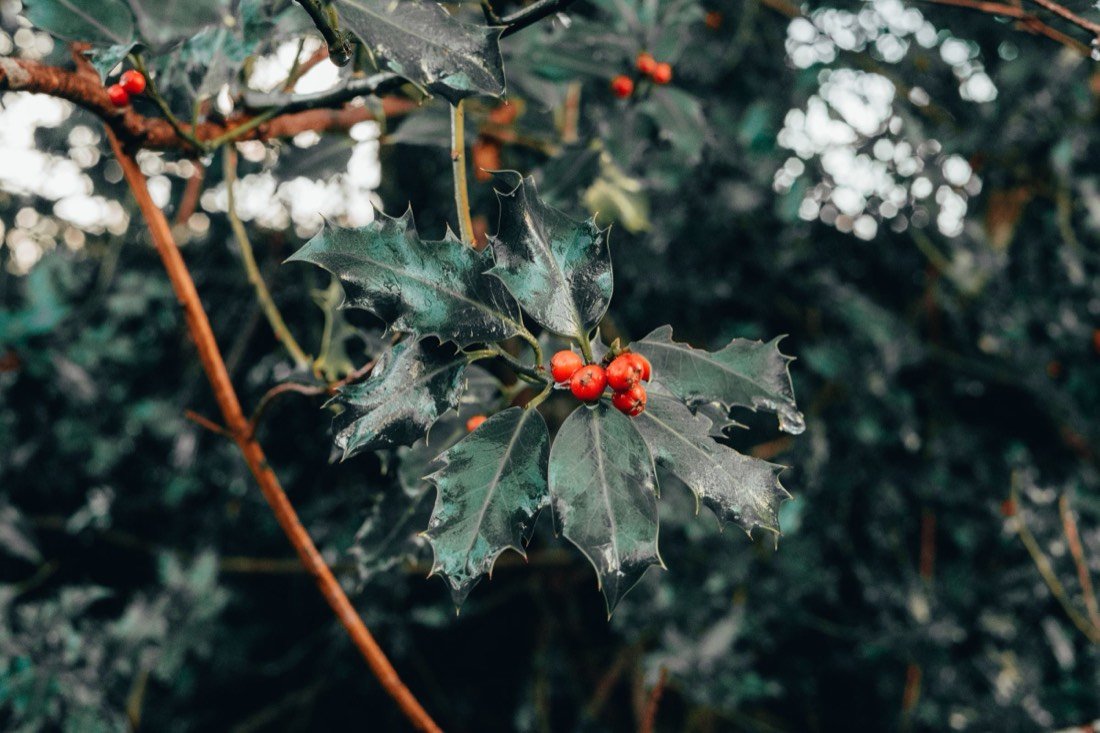
Evergreen shelter and winter berry - the classic native for a thick, stock-proof, year-round hedge. The female trees carry the bright red berries that see blackbirds through the cold.

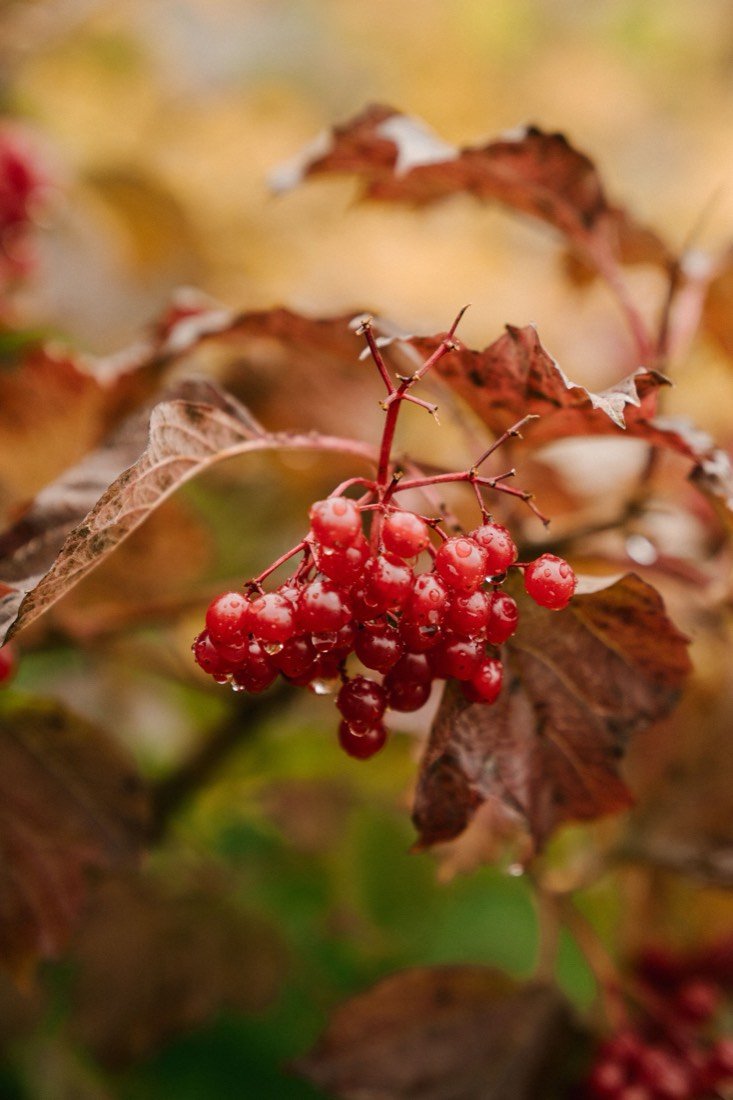
A softer, damp-loving native with lacecap white flowers and translucent red berries in generous bunches. Fine autumn leaf, and a favourite of bullfinches.

The hedge was once a pantry and a medicine chest as much as a boundary. A handful of the native plants our forebears gathered from it, for tonics and for food:
Long before the chemist’s shop, this was Britain’s medicine. Its most celebrated keepers were the Physicians of Myddfai - a family of Welsh healers led by Rhiwallon and his sons, who served the lords of Dinefwr in the 13th century and, by legend, descended from the Lady of the Lake at Llyn y Fan Fach. Their remedies, later written into the Red Book of Hergest, drew on some 175 native plants - foxglove and poppy among them.
This is no new undertaking for me. For half a decade, with a like-minded partner, I helped build and run Root for Peace - a native-plant nursery and conservation non-profit in the San Francisco Bay Area. Together we grew and gave away more than eighteen thousand native plants to protect sensitive habitat, working alongside the US National Park Service, the Sierra Club, Save The Bay, Hoopa Tribal Forestry and others. It was a partnership from the first, and the credit belongs to the many hands that put those plants in the ground.
We also ran a very successful teaching program as the Miwok Grocery Store - teaching local people the ways of the Miwok tribe of Marin County. It also raised funds that went to help communities in drought-stricken lands.
That work is my past, and my grounding. What I care for now is bringing everything it taught me home - to a small piece of Shropshire, and to any who wish to learn.

Growing the habitat is only half the work; the other half is passing on how it is done. This project is made to teach as much as to grow - so the knowledge, like the land, outlives any one pair of hands.
Everything grows from one conviction: that land is best held gently, worked with patience, and left better than we found it. Three principles hold the whole together.
Whether you are starting your first wildflower patch, curious about forest gardening, or would simply like to follow the work as this small piece of land comes to life, you are most welcome to write.
Contact us →Also from us - Tasty Tonic, superior tonics & cordials.